Table Of Content

These are each relocated to the balding areas being treated, known as the recipient sites. As most insurance companies view hair transplants as cosmetic, the majority of plans do not cover the process. It should be noted that some clinics offer financing options or payment plans to help spread the cost of treatment over several installments. While hair transplants are the most effective way to increase the amount or thickness of hair, they can be expensive in terms of both treatment and recovery.

Recovery and Outlook
Hiring the right surgeon, even if more expensive, can help you get the best results possible. All procedures are performed in a fully-accredited office for the safest and most comfortable experience. You can also use the directory on the American Board of Hair Restoration Surgery’s (ABHRS) website to find a doctor who’s certified in hair restoration based on the rigorous criteria of the ABHRS.
What to expect after a FUE hair transplant
To get the best idea of cost, we recommend you consult with at least three hair restoration surgeons in your area. In this method, the surgeon removes a strip of hair a few centimeters in length from the donor area. Using a 4mm ‘punch’, the surgeon removes a cylinder of hair-bearing skin from the donor site. This cylinder typically contains 12 – 30 individual strands of hair. The surgeon then carefully places them back into the recipient site. Moreover, post-operative care and potential multiple sessions may further contribute to expenses.
Before & After Images by Provider
The consultant will then discuss the hair restoration objectives and details including typical hair loss patterns, the stage of hair loss an individual is in and their age. Male pattern baldness and other types of hair loss patterns often determine how many grafts are required to create a full and natural looking head of hair. The age of the patient and the stage of hair loss that that patient may be experiencing can also greatly influence the number of grafts required for a successful procedure.
Hair Transplant in Turkey: Hair or Hoax?
Dr. Doshi examines these aspects to determine if the patient is a suitable candidate or if alternative treatments are more important. Both methods aim to redistribute a patient's existing permanent hair to restore natural-looking density and hairlines in a manner that complements their hair characteristics and growth patterns. Both types of scars are easily camouflaged by your hair and should not be too much of a concern as they will dissolve quickly. But if you’ve talked with your doctor about treatments or found that other common hair regrowth treatments hadn’t worked for you, consider looking into a hair transplant.
Top 5 Benefits of Follicular Unit Extraction
Different clinics and surgeons will have different price points. Generally, more qualified, experienced surgeons will be likely to charge more. Some providers will charge for an initial consultation and aftercare, while others may offer packages that include all costs.
People also refer to hair transplantation as "getting hair implants" or "having a hair transplant." Deciding to have one of these elective surgical procedures is a personal decision. The average cost of a hair transplant can vary greatly depending on your location, the clinic you choose, the type of hair transplant, and how many grafts you need. The hair transplant cost in the USA averages between $2 and $10 USD per graft. If you’re considering getting this procedure in other countries, you might pay as little as $0.55 or as much as $9.50 per graft. Take your time to do your research to find the best option for your needs.
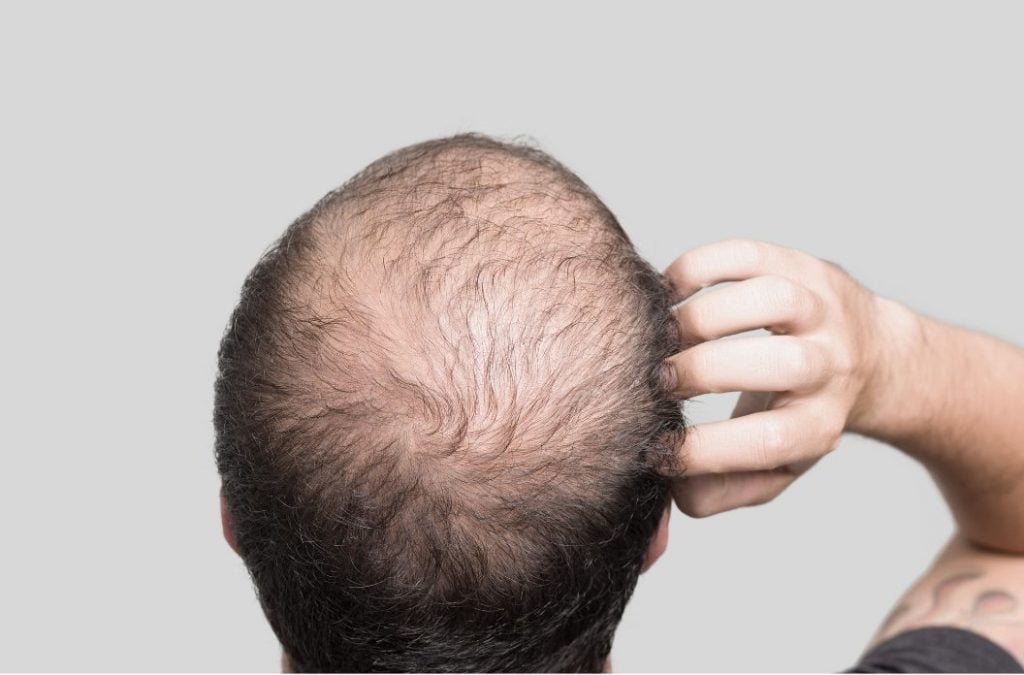
There are many factors that go into deciding if a hair transplant is the best solution. "The amount of available donor hair, quality of donor hair, extent of hair loss, and the patient's desired goals of density versus coverage all play into candidacy," Dr. Ziering says. "As hair restoration specialists, we are committed to helping every patient navigate this journey and our treatment plans include both surgical and non-surgical components to deliver the best outcomes," Dr. Ziering says. According to Hardik Doshi, MD, lead surgeon of hair restoration at Ample, shampoos infused with ketoconazole, minoxidil, or saw palmetto may help improve scalp health and stimulate hair growth. Additionally, growth supplements containing biotin, vitamins, and minerals such as iron, zinc, and vitamin D may support hair health and promote regrowth.
DHI is direct hair removal, while FUE stands for follicular unit extraction. As a second step in the pre-surgery process, make sure you know what machinery will be used and what your various procedures options are. You should walk away from the consultation with all your questions answered by a surgeon who clearly explains each step of the process. Furthermore, get clarity on who is doing the surgery and what parts of the procedure are being done by the doctor. The experts are aware that cheaper clinics may have nurses or technicians perform the procedure — to ensure a faster turnaround and bigger paycheck — leaving only certain parts left to the doctor. However, you will yield the best results when the entire process is performed by a reputable surgeon.
"In the Ice method, grafts are placed in a special solution that feeds them and are then stored at around 25-46°F," Dr. Çetinkaya says. "This technique increases graft survival rate and quality, and ultimately, the success rate of the procedure." It's important to note that some forms of hair loss are temporary, while others may be permanent — therefore, treatments can vary depending on the underlying causes. A hair transplant is a good option for people who can afford the high cost of the procedure and haven’t found success from treatments like minoxidil or Rogaine. Hair transplant surgery is relatively low risk compared with other surgeries, but it isn’t without risks. There is also always the possibility that your hair regrowth may be minimal.
Gender-affirming hair transplants: How it works, and what to expect - Medical News Today
Gender-affirming hair transplants: How it works, and what to expect.
Posted: Tue, 14 Nov 2023 08:00:00 GMT [source]
A common side-effect of many types of surgery, post-surgical edema is essentially the build-up of fluid that causes swelling following surgery. Hair transplants are an increasingly common choice for those suffering from thinning and receding hair. These growth factors induce the proliferation of dermal papilla cells, which means more hair can then be produced in the area. In some cases, and depending on your line of work, your surgeon might instruct you to take a few days off. This possibility of lost income is another consideration to factor in when determining the overall cost. Where exactly you will fall in these ranges depends primarily on the type and extent of your hair loss.
The cost of a hair transplant can vary widely depending on the patient, the surgeon, and the number of grafts a person needs to have transplanted. Some procedures cost considerably less, around $4,000, while others cost a lot more, around $15,000. The majority of our procedures cost between $6,000 and $12,000. It’s best to schedule a consultation with our team to get an accurate estimate for your specific needs and hair growth goals. The best way to get an accurate cost estimate and to determine how many grafts are needed/available to be harvested, is to have a free consultation with a Bosley specialist.
Most companies don’t cover hair transplants under medical leave policies. You’ll likely need to pay for a FUE hair transplant out of pocket because most health insurance plans don’t cover cosmetic procedures like this. If you’re getting the FUE procedure, the surgeon’s team will shave the back of your scalp. Then, the doctor will remove hair follicles one by one from there. The area heals with small dots, which your existing hair will cover.
They can refer you to a specialist who can evaluate your hair and recommend the best treatment. Over-the-counter (OTC) and prescription medications may slow hair loss. If you’re waiting for your hair transplant or are unable to afford one, there are several nonsurgical alternatives you could use in the meantime. Hair transplants can be an effective treatment for hair loss, but they’re not right for everyone. Consider the pros and cons before you decide whether to have a hair transplant.


No comments:
Post a Comment